Bottles That Last, Clean That Lasts Longer
Today we dive into DIY concentrate recipes for refillable cleaning products, turning small jars of potent blends into weeks of effortless refills. You will learn dilution ratios that actually work, ingredient pairings that avoid grim chemistry mistakes, and storage tricks that keep everything stable, effective, and wonderfully economical. Expect practical steps, safety notes, and a few honest anecdotes from real kitchens and bathrooms to help you switch from single-use sprays to smart, refillable routines you can confidently share with friends.
Why Concentrates Change Everything
Concentrates shrink waste and simplify routines, because you mix strength once, then refill forever with simple water. Instead of hauling home heavy bottles mostly filled with water, you store small, powerful blends that stretch for months. It is cheaper, lighter on the planet, and surprisingly satisfying to measure, label, and pour exactly what you need without guessing or tossing more plastic into the bin. The payoff becomes obvious the first time you refill in seconds and keep cleaning without disruption.

Ingredients That Pull Their Weight
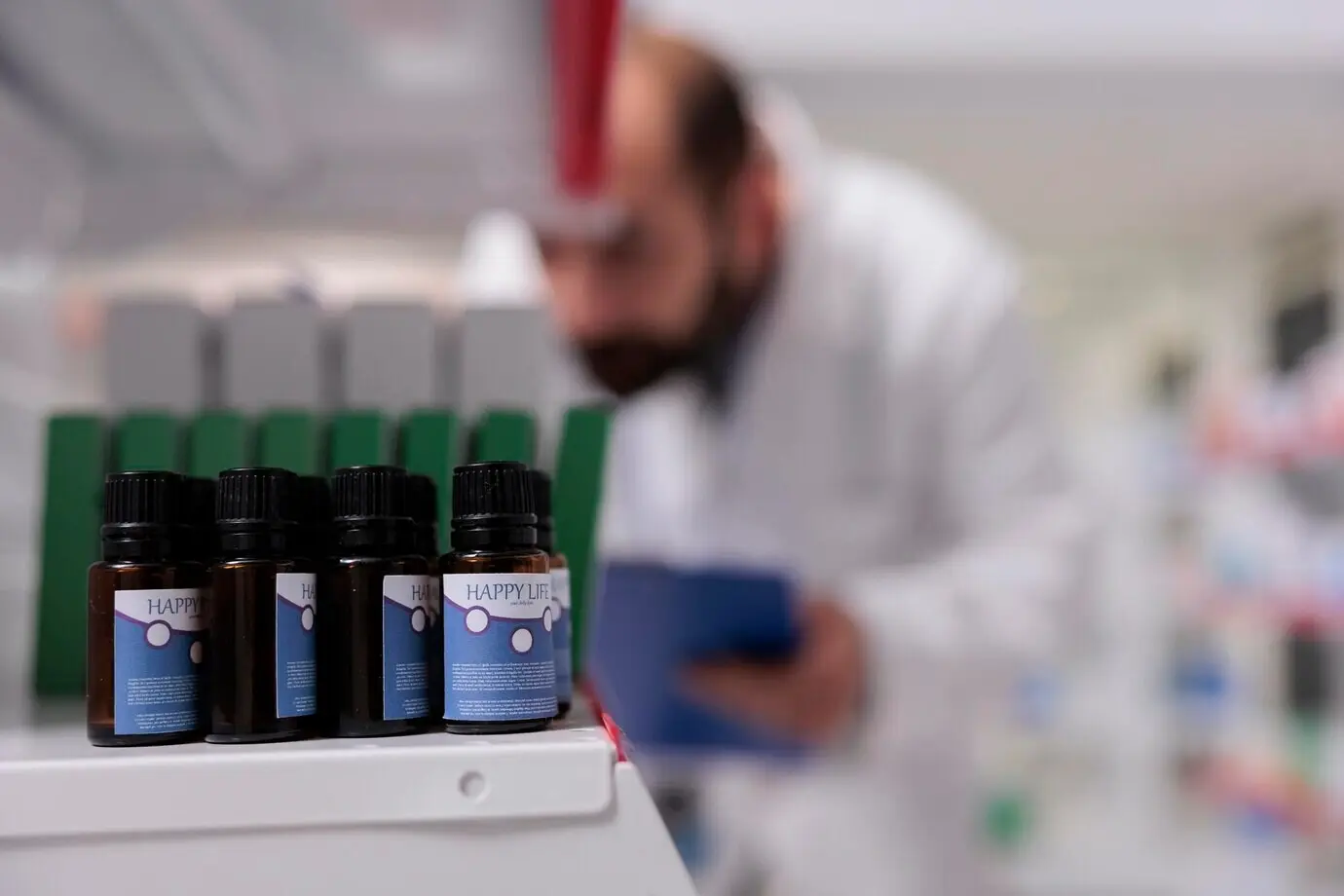
Great concentrates rely on a few dependable players. Castile soap or gentle plant-based surfactants lift soil; washing soda and baking soda raise pH and boost cleaning; vinegar and citric acid dissolve mineral deposits; 3% hydrogen peroxide helps with odor and sanitizing needs; and essential oils add scent without pretending to be disinfectants. Distilled water prevents mineral haze. Glycerin can improve glide. Keep it simple, understand the role of each component, and your concentrates stay stable, predictable, and honestly effective.
All-Purpose Concentrate Base That Behaves

Combine 1 cup liquid castile soap, 1 cup distilled water, and 1 tablespoon vegetable glycerin for slip in a clean, labeled bottle. Optional: add 10–20 drops of a preferred essential oil for scent only. To use, add 50 ml concentrate to a 500 ml spray bottle and top with water. Spot test painted or delicate finishes, then wipe with a microfiber cloth. Avoid mixing this concentrate with any acidic solution. This gentle workhorse excels on sealed wood, counters, cabinet doors, and appliances.
Glass and Mirror Concentrate That Stays Clear

In a glass or HDPE bottle, combine 1 cup 70% isopropyl alcohol, 1 cup distilled water, and 1/4 cup white vinegar. Optional: 1 teaspoon corn starch helps reduce streaks; shake before each use. Label clearly and store away from heat. To use, add 100 ml concentrate to a 500 ml sprayer and fill with water. Spray lightly and buff immediately with a lint-free cloth. Avoid using this on phone screens with coatings or unsealed stone. Keep separate from soap-based formulas to preserve clarity.
Fragrance Without the Fuss or False Promises
Scent is optional and personal. If you enjoy it, add essential oils sparingly to the concentrate meant for neutral or alkaline formulas, not acid-based glass mixes. Try lemon, lavender, or peppermint, keeping total additions under 0.5% for home use. Remember, essential oils are not disinfectants at typical household concentrations, and some can affect plastics or sensitive surfaces. Always label “scented” and note the oil used, especially around children, pets, or scent-sensitive guests who may prefer unscented alternatives for comfort.
Kitchen Power: Degreaser and Dish Concentrates
{{SECTION_SUBTITLE}}
Citrus-Alkaline Degreaser Concentrate
Dissolve 2 tablespoons washing soda in 1 cup very hot distilled water, let cool, then add 1/2 cup decyl glucoside or castile soap and 1 teaspoon citrus zest oil or orange peel infusion for pleasant scent. Label: “Strong—gloves recommended.” To use, add 75 ml concentrate to a 500 ml sprayer and fill with water. Spray on stove grates, oven doors, or greasy backsplash, let sit a few minutes, then wipe. Avoid aluminum and delicate coatings. Rinse thoroughly and ventilate during heavier applications.
Gentle Hand-Dish Concentrate
Blend 1 cup liquid castile soap, 2 tablespoons vegetable glycerin, and 1 teaspoon salt dissolved in 2 tablespoons warm water to thicken. Store in a squeeze bottle. For a sink of dishes, add 1–2 teaspoons under running water. This concentrate cuts everyday grease without stripping your hands, especially when wearing light gloves. Not for automatic dishwashers. If water is very hard, add a few drops more soap at point of use rather than altering the concentrate, preserving stability and avoiding excess thickness or separation.
Bathroom Shine: Descaler, Scrub, and Freshness
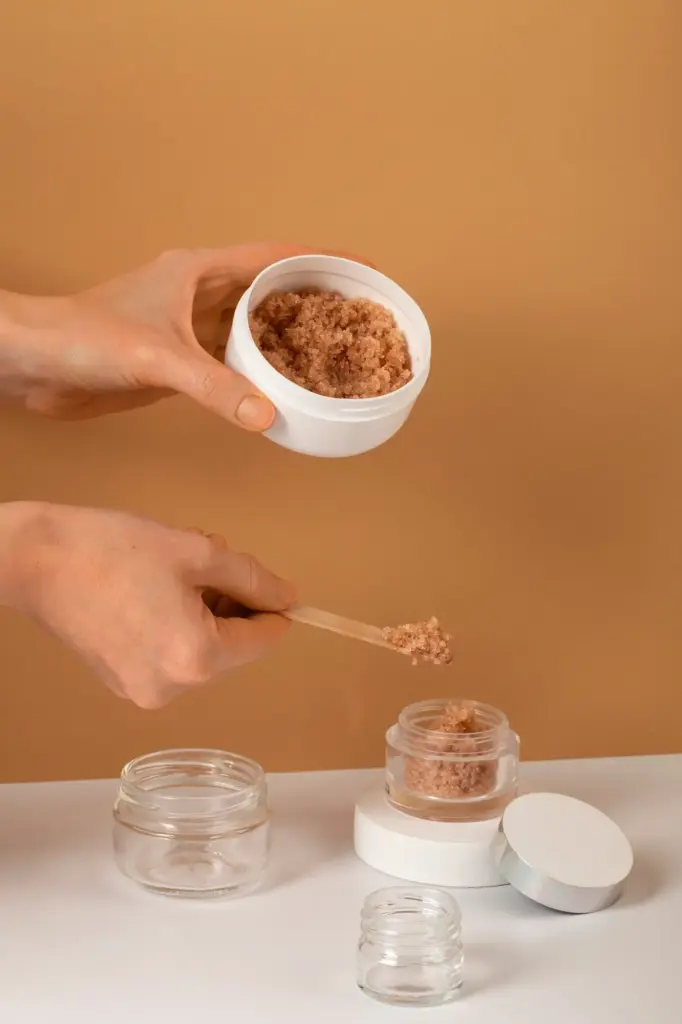
Bathrooms need smart acidity for scale, a creamy abrasive for soap scum, and a safe deodorizing option for everyday freshness. This trio balances power with surface respect, avoiding etching stone or fogging fixtures. Labels, contact times, and rinse notes matter more in this room than almost anywhere else, so we keep instructions straightforward and repeatable. Once you find your preferred dilutions, write them directly on the bottle, making refills automatic and easy enough to delegate to any helpful family member.
Refill Rituals, Labels, Costs, and Community
The Refill Routine You Can Do Half-Asleep
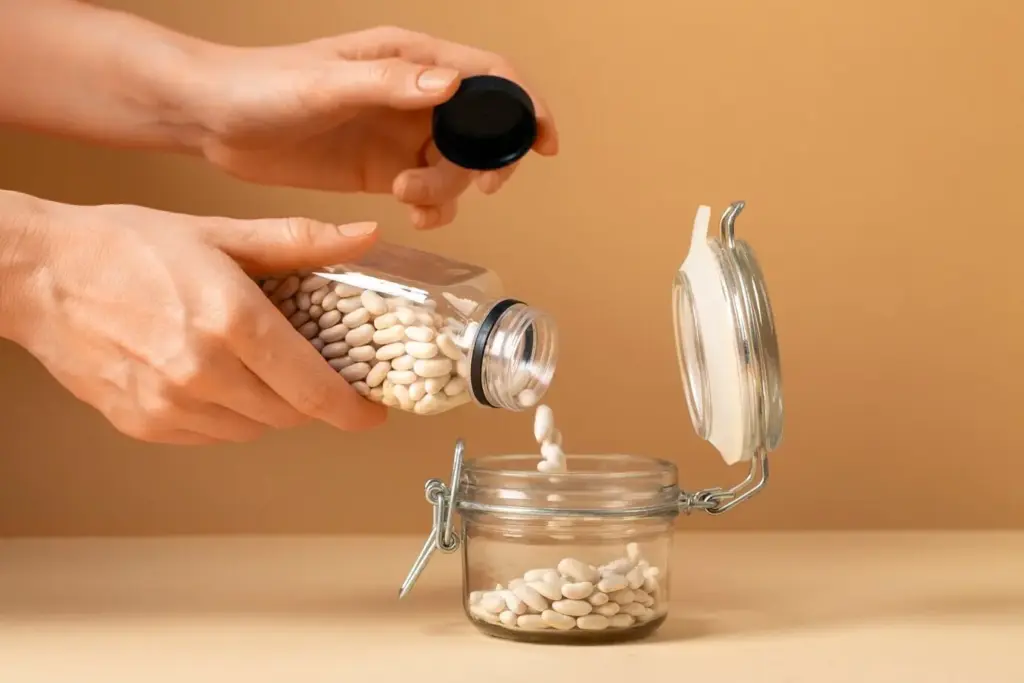
Place concentrates at eye level with clean funnels and a dedicated measuring cup. Write simple instructions on each bottle: “Add 50 ml, top with water, shake.” Schedule refills alongside another weekly task, like setting the coffee maker. The easier the ritual, the more it sticks. If you share housekeeping, post a quick label legend on the cabinet door. Color-coded dots help kids or roommates grab the right bottle. Small frictions removed once become invisible advantages every single time you clean.
Label Like a Pro and Avoid Can’t-Remember Moments
Every bottle should list key ingredients, dilution instructions, date mixed, and surface cautions. Add bold reminders like “No stone” for acids or “Rinse well” for degreasers. Waterproof labels or clear tape over paper labels survive splashes. Include contact times for bathroom cleaners and a simple inventory mark for when concentrate runs low. When someone else helps, they do not guess or text mid-task. Future you, too, will thank present you for writing the important bits plainly and preventing unreliable, seat-of-the-pants improvisation.
Share Wins, Ask Questions, Build Momentum
Post your favorite ratios, before-and-after photos, and unexpected lessons learned, like when a new sprayer made fine misting effortless. Invite readers to reply with their hard water workarounds, dilution tweaks, or preferred cloths. Subscribe for seasonal updates: heavier degreasing in grilling months, gentler glass routines in dry winters. This community exchange prevents trial-and-error fatigue, inspires better labeling practices, and keeps enthusiasm alive. Every refill you share normalizes practical sustainability and helps another household skip a bulky, water-heavy bottle for good.