Build a Seamless Home Refill Station

Welcome! Today we explore how to set up a home refill station: dispensers, funnels, and storage, transforming messy restocks into a clean, beautiful ritual. You will learn layouts that prevent spills, containers matched to viscosity, decanting strategies that actually work, intuitive labeling, safe storage, and smart sourcing that saves money while cutting plastic. By the end, your refilling routine will feel calm, quick, and satisfying—share your progress, ask questions, and subscribe for deeper guides and printable checklists.

Plan the Flow: From Bulk to Everyday Use

Map Your Zones

Sketch three zones: backstock storage, decanting station, and everyday access. Keep heavy jugs at waist height to protect your back, and store frequently used items closer. Add a drip mat, a funnel stand, and a catch tray to minimize cleanup. A simple whiteboard or notes app can track what is running low, so your workflow never stalls. When zones are defined, you always know where to stand, what to grab, and where finished bottles return.

Set Refill Rituals

Choose a recurring time that pairs naturally with other chores, like Sunday laundry or midweek kitchen reset. Create a short checklist: check levels, wipe pumps, sanitize funnels, refill, relabel, log savings. Rituals reduce procrastination and prevent emergency runs to the store. Teach your household the sequence and celebrate small wins, like avoiding a last-minute detergent dash. Consistency turns this simple routine into an anchor habit supporting cleaner counters, steadier budgets, and fewer single-use purchases over time.

Avoid Mess with Smart Surfaces

Work over a tray with a raised lip, or place a silicone mat beneath dispensers. Keep a microfiber cloth, a small squeegee, and a narrow brush on hand for immediate wipe-downs. If space allows, mount a paper towel holder nearby for quick blotting. Consider a wall-mounted shelf to keep fragile glass off the counter during transfers. A bucket under the station can capture rinse water and small spills, keeping wet items away from cardboard packaging or electronics stored below.

Choose Containers and Dispensers That Work
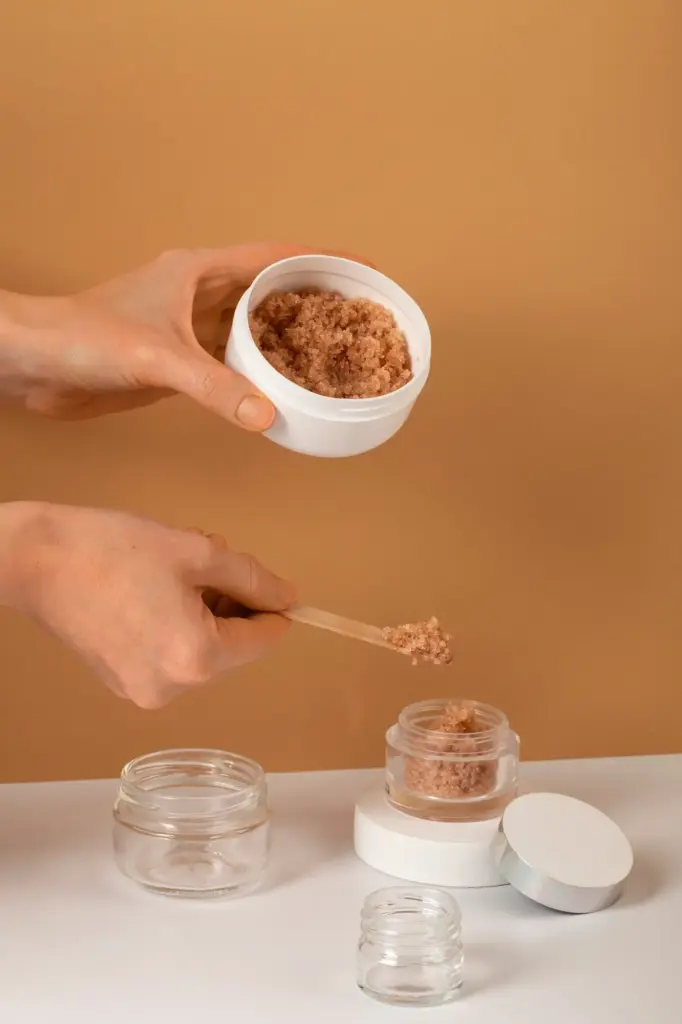
Picking the right vessels prevents clogging, leaking, and frustration. Match pump or spigot styles to product viscosity, and select materials based on contents and environment. Glass looks elegant and resists odor absorption, stainless offers durability, and HDPE is lightweight and tough. Opt for wide mouths for easy cleaning and funnels that fit snugly. Prioritize seals and gaskets you can actually replace. Right-sizing bottles reduces wrist strain, while transparent or windowed designs help you gauge levels at a glance.

Funnels, Decanting, and Spill-Free Techniques

A good funnel family includes wide-mouth versions for thick liquids, narrow tips for tight necks, and vented styles that relieve back-pressure. Pair with a small pitcher for controlled pours and keep clips to secure funnels to bottles. Work slowly, pausing to let air escape. Wipe threads before closing lids to prevent stuck caps. Clean funnels immediately to avoid residue buildup, and dry completely to prevent dilution. Simple habits make every transfer smooth, sanitary, and surprisingly satisfying to perform regularly.

Labeling, Safety, and Compliance at Home
Labels You Can Trust and Read

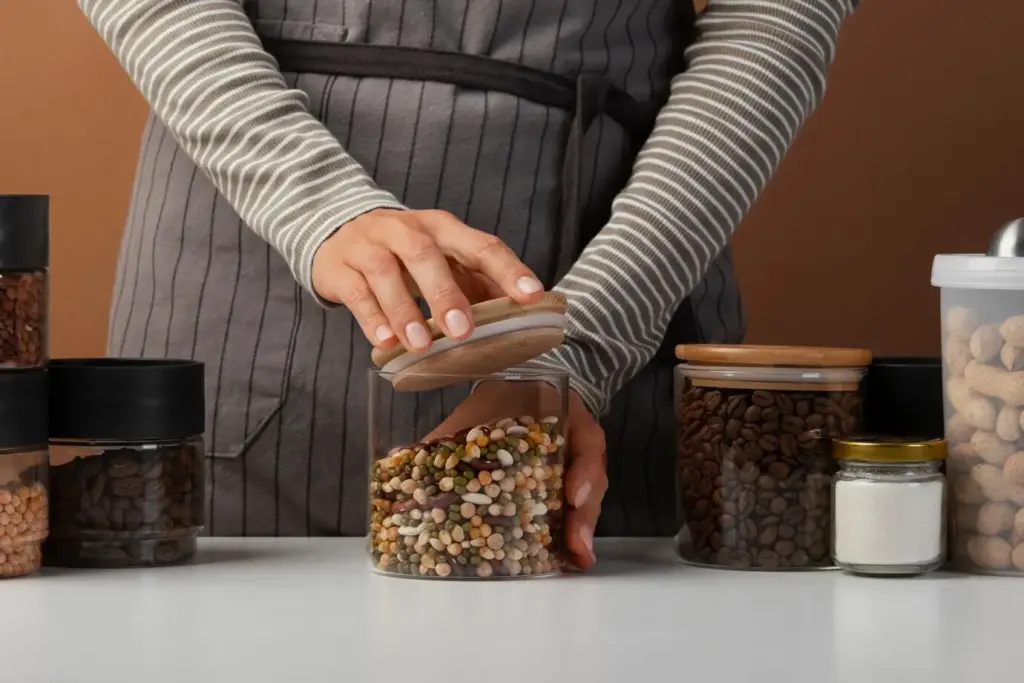
Use waterproof labels and smear-resistant pens or printable sheets. Write large, high-contrast text that remains legible in steamy rooms. Include batch date, source shop or brand, and any warnings, like keep out of eyes or do not ingest. Add measurement lines and dilution ratios for easy refills. Consider QR codes linking to instructions or Safety Data Sheets. Standardize wording across bottles so helpers instantly understand how to use each product safely without rummaging through manuals or guessing under stress.

Dilution Without Guesswork

Pre-mark bottles with fill lines for concentrate and water to match common ratios like one to three or one to four. Use measuring cups or syringes for accuracy, and stir gently or invert to mix without foaming. Keep a small laminated card at the station listing ratios for glass cleaner, floor solution, and laundry pre-treat. Over-concentration wastes money and may damage surfaces; under-dilution weakens cleaning power. Consistent, clear instructions make every refill repeatable and safe for anyone to handle confidently.

Protect Kids, Pets, and Guests

Install child-resistant closures on hazardous products and place backstock above shoulder height or in locked cabinets. Never decant dangerous chemicals into drink-like containers. Use icon stickers to signal caution clearly, and keep absorbent materials ready for spills. Ventilate well during transfers with strong scents. Share simple rules with guests who might borrow a spray bottle. If someone has sensitivities, choose fragrance-free products and note it on labels. Prevention beats panic, and a few small precautions protect your whole household gracefully.

Storage That Saves Space and Looks Good
Shelving and Zones That Make Sense

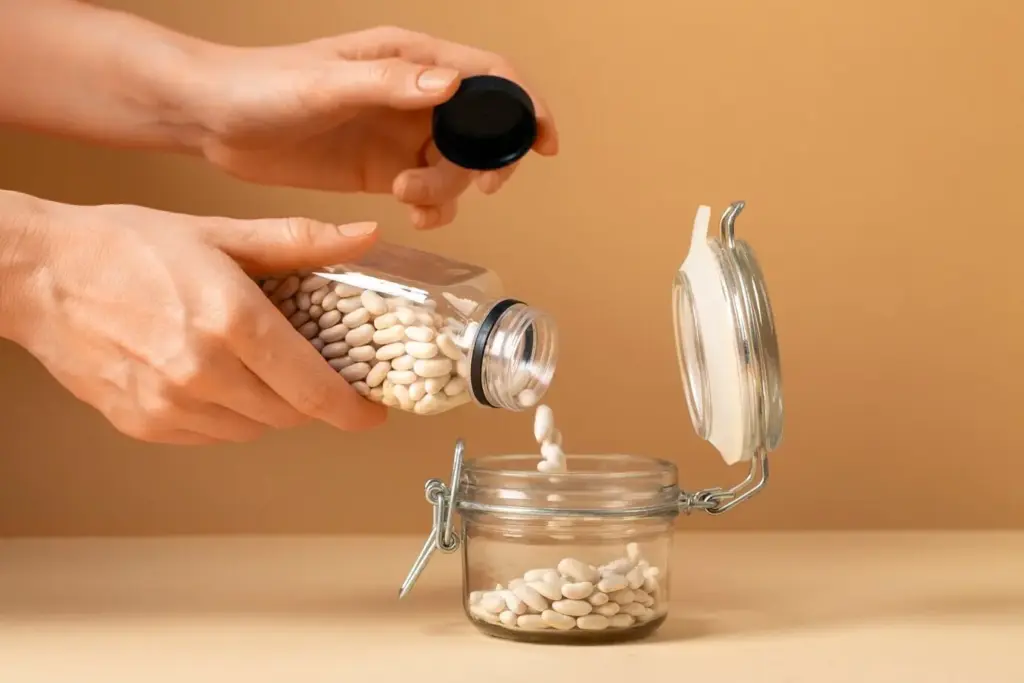
Assign sturdy shelves for bulk items, mid-level for decanting gear, and eye-level for everyday bottles. Use labels on shelves as well as containers so returning items is mindless. A small step stool helps shorter family members reach safely. Install pegboards or rails for brushes and funnels to dry. Keep lighting bright enough to read labels without squinting. Modular shelving grows with your needs, while clear bins reveal inventory levels quickly, minimizing overbuying and eliminating frustrating hunts for the last refill pouch.

Under-Sink and Laundry Nooks

Assign sturdy shelves for bulk items, mid-level for decanting gear, and eye-level for everyday bottles. Use labels on shelves as well as containers so returning items is mindless. A small step stool helps shorter family members reach safely. Install pegboards or rails for brushes and funnels to dry. Keep lighting bright enough to read labels without squinting. Modular shelving grows with your needs, while clear bins reveal inventory levels quickly, minimizing overbuying and eliminating frustrating hunts for the last refill pouch.

Aesthetic Touches That Encourage Use

Assign sturdy shelves for bulk items, mid-level for decanting gear, and eye-level for everyday bottles. Use labels on shelves as well as containers so returning items is mindless. A small step stool helps shorter family members reach safely. Install pegboards or rails for brushes and funnels to dry. Keep lighting bright enough to read labels without squinting. Modular shelving grows with your needs, while clear bins reveal inventory levels quickly, minimizing overbuying and eliminating frustrating hunts for the last refill pouch.

Sourcing, Budget, and Waste Reduction Wins

Find reliable refills at local bulk shops, co-ops, and zero-waste stores, or order concentrated formulas online to reduce shipping weight. Compare price per ounce across formats and track the plastic you avoid each month. Reuse containers when safe, and return or recycle responsibly. Share purchases with neighbors to hit bulk discounts. Measure your progress to keep motivation high. Ask questions, post photos, and subscribe for refill-friendly recipes and supplier lists. Together, small, consistent changes deliver big environmental and financial returns.
Tazukelutazimefifu
Privacy Overview

This website uses cookies so that we can provide you with the best user experience possible. Cookie information is stored in your browser and performs functions such as recognising you when you return to our website and helping our team to understand which sections of the website you find most interesting and useful.