Clean, Safe, and Confident Refills at Home

Today we’re focusing on safe handling and hygiene tips for refilling household liquids and powders, helping you reduce waste while protecting your skin, lungs, and living spaces. Learn practical steps that prevent spills, cross‑contamination, and mix‑ups. Share your questions, favorite tools, and refill stories so our community keeps learning safer, cleaner habits together.

Preparation That Prevents Problems

A thoughtful setup turns refilling into a calm, hygienic routine instead of a messy scramble. Clear the surface, separate food and non‑food items, and stage dedicated tools before opening anything. Keep pets and children away, open a window, and place absorbent towels or a tray to catch stray drops or dust. Preparation builds confidence and keeps every refill clean, quick, and stress‑free.

Container Cleaning and Sanitizing

Clean containers protect product quality, fragrance integrity, and your health. Rinse away residues, then wash with warm water and appropriate soap. For food‑contact items, sanitize using a food‑safe method. For general sanitizing, many households use one tablespoon unscented bleach per gallon of cool water, followed by thorough air‑drying. Never mix bleach with ammonia or acids, and always review manufacturer guidance before sanitizing specialty materials.

Avoiding Chemical Mix-Ups

Cross‑contamination can weaken cleaners, spoil fragrances, or create hazards. Never mix bleach with ammonia or acids, and avoid combining unknown residues. Label clearly, keep food and non‑food containers separate, and maintain dedicated funnels, scoops, and pumps. When in doubt, discard questionable leftovers safely. A cautious approach keeps indoor air healthy, prevents skin irritation, and preserves the intended performance of every refill.

Read Labels and SDS Every Time

Even familiar brands change formulas, concentrations, and directions. Read labels before refilling and review Safety Data Sheets for irritation, incompatibilities, and storage temperatures. Note hazard pictograms and phrases. Take a second to verify concentration units so you do not mis‑dilute a concentrate. This small habit drastically reduces errors, protects your home’s surfaces, and helps you respond quickly if a spill occurs.
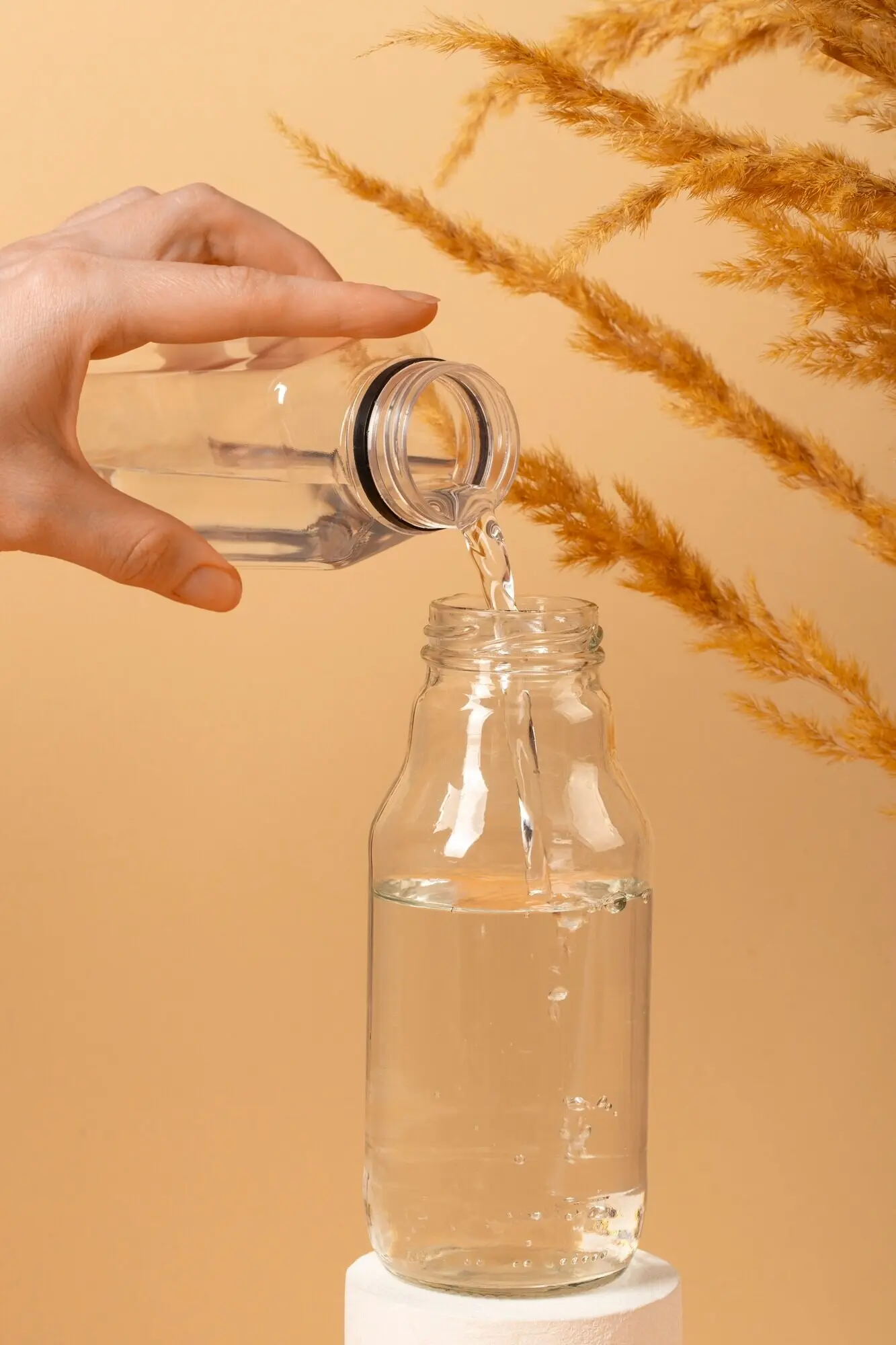
Never Mix Unknowns or Reuse Food Bottles for Cleaners

Do not pour a cleaner into a former juice, condiment, or water bottle, even if washed. Residual odors confuse users, while look‑alike packaging creates serious ingestion risks. Likewise, never combine leftovers from similar‑looking products. If you cannot verify the original contents or compatibility, safely dispose of remnants and start fresh. Clarity in packaging choices protects everyone who shares the space.
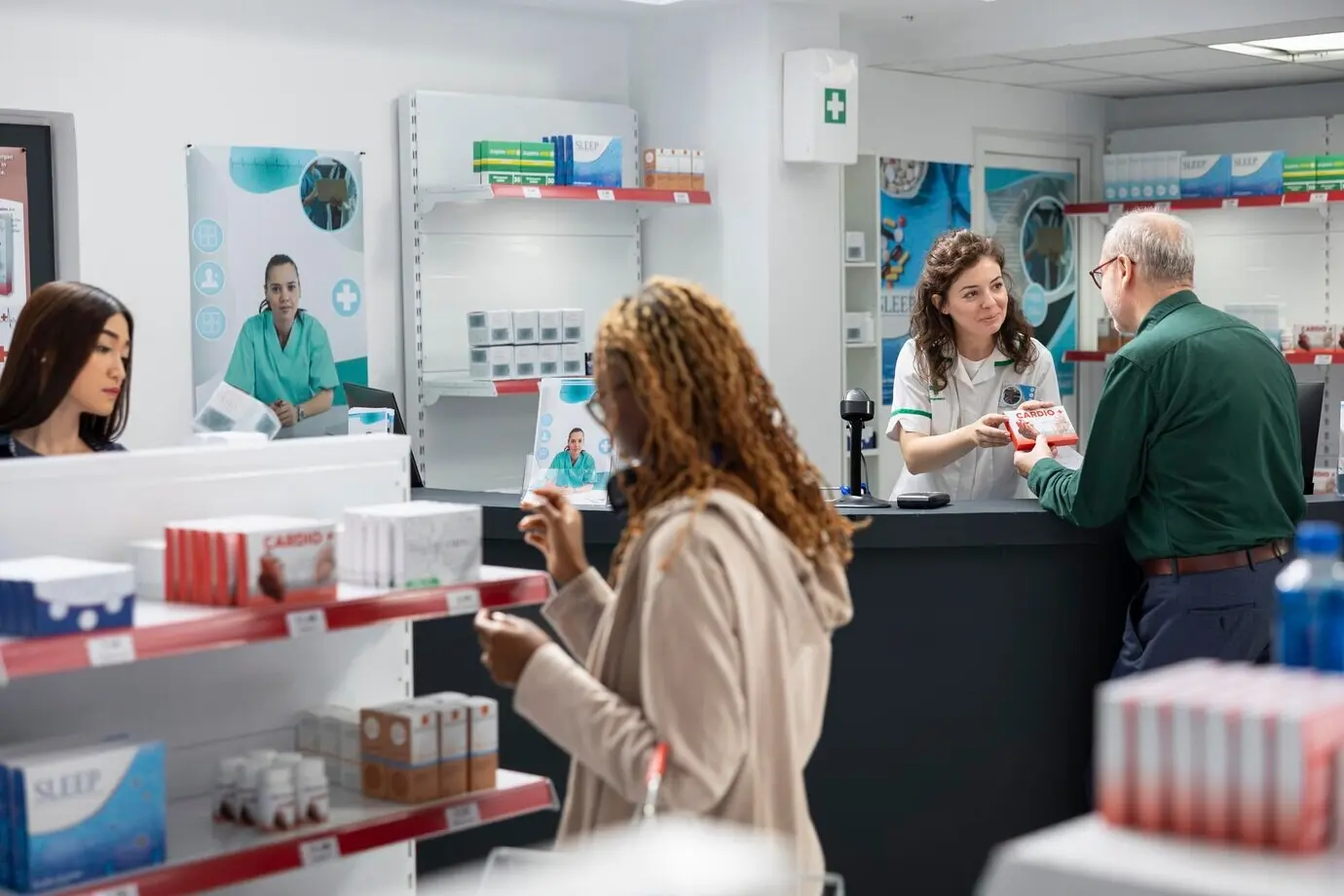
Dedicated Tools for Each Category

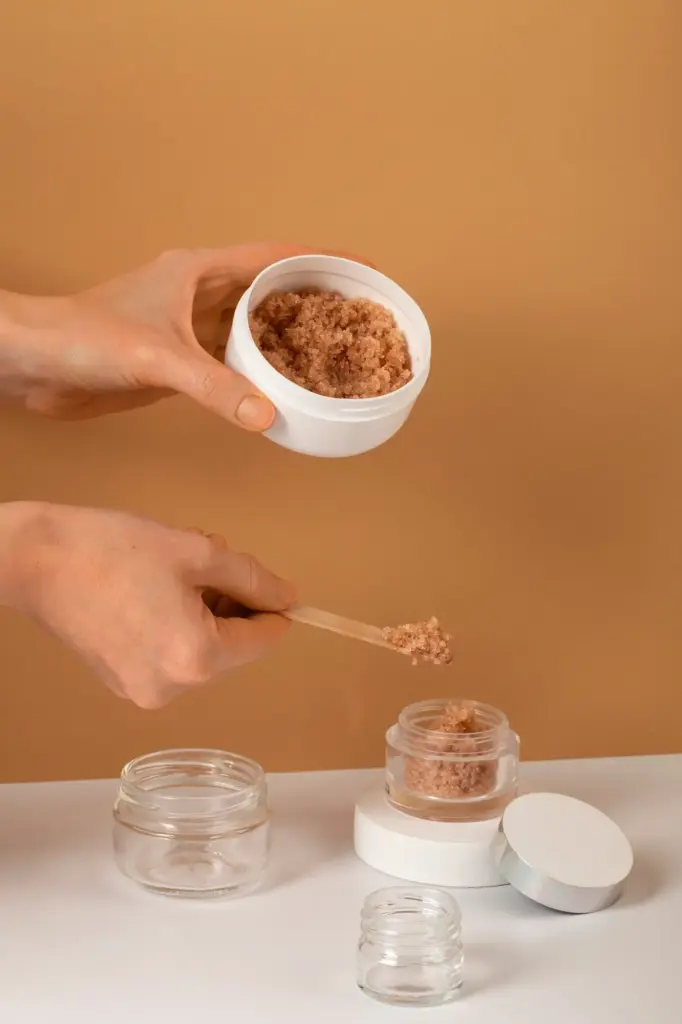
Assign funnels, pumps, and scoops to categories like laundry, dish, bathroom, or pantry, marking them clearly. Color coding prevents mistakes during busy moments. Separate storage bins keep tools organized and clean between sessions. This simple system avoids transferring fragrances, enzymes, or disinfectants into the wrong products. Over time, dedicated gear speeds refills and preserves the quality you purchased in the first place.
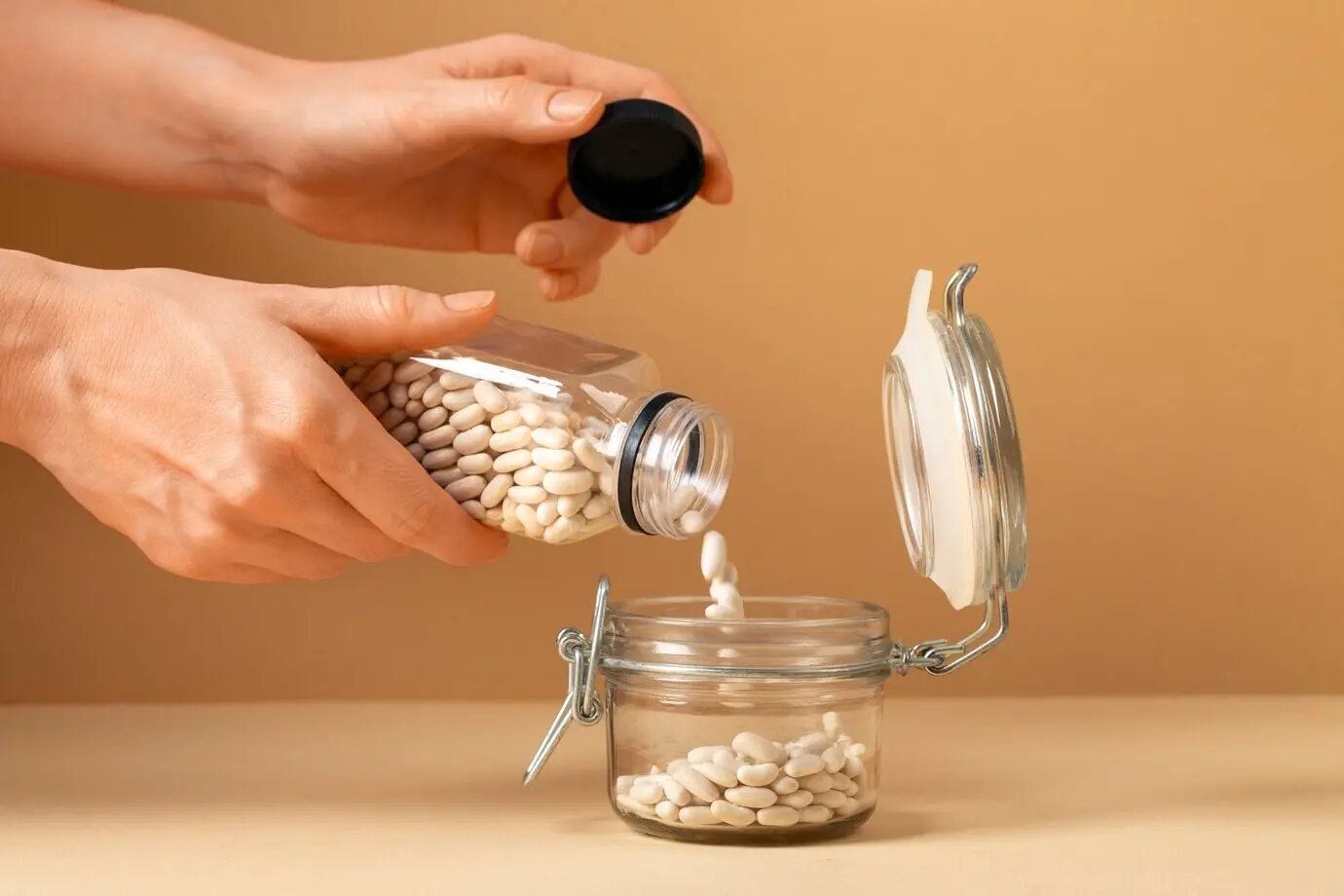
Powder Handling Without the Puff

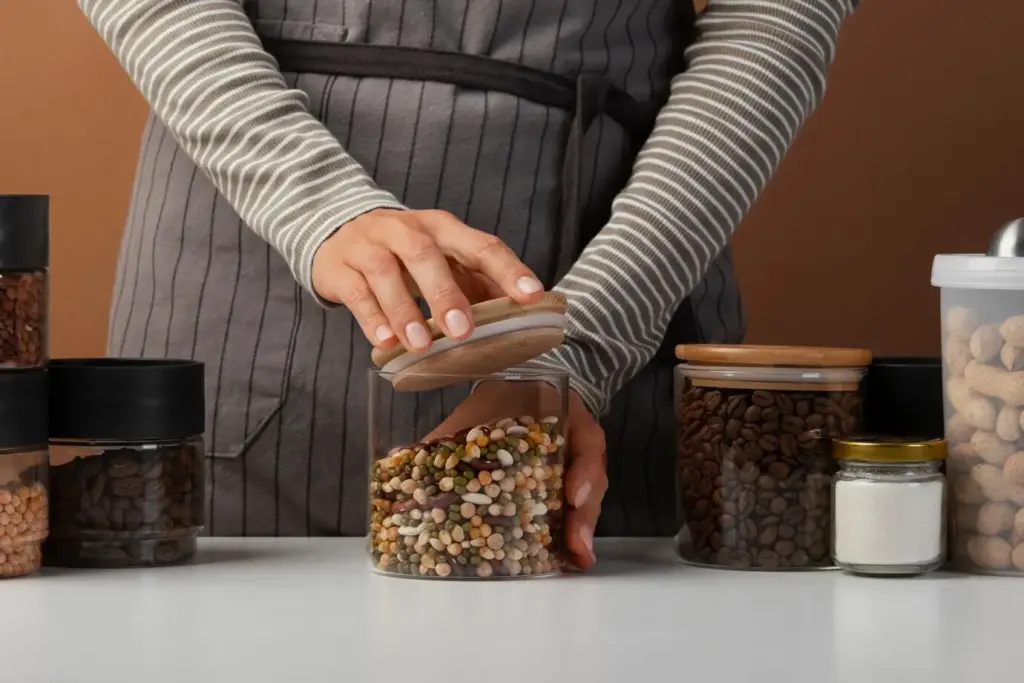
Fine dust from detergents, cleansers, and pantry staples can irritate lungs, eyes, and skin. Move slowly, minimize drop heights, and consider a mask when decanting larger volumes. Control humidity to prevent clumping and microbial growth. Use anti‑static scoops, wide funnels, and sealed bins. Careful technique keeps air clearer, reduces cleanup time, and preserves the flow and potency of your powdered products.

Liquid Refills with Precision

Liquids behave differently by viscosity and temperature, so steady technique matters. Stabilize containers, use the right funnel, and pour slowly to avoid glugging. Leave headspace, date your refills, and track concentrations. Prepare a small spill kit and know first aid basics. With gentle, precise movements, you waste less, maintain product integrity, and keep counters shining, even during large refill sessions.

Hand Hygiene and Personal Protective Habits

Clean hands reduce stray microbes and residues. Wash for at least twenty seconds, dry thoroughly, and consider gloves when handling irritants. Avoid touching funnel interiors or bottle mouths. Tie back hair and remove dangling jewelry that might knock containers. These small habits feel ceremonial at first, then become automatic and reassuring, ensuring every refill is as clean as the last.

Clear Labels, Dates, and Batch Notes

Write the product name, concentration or dilution ratio, refill date, and any sensitivity notes, like fragrance strength or enzyme content. Include caution icons where helpful. Use waterproof labels or clear tape over paper. A consistent layout prevents confusion for family members, guests, and future you. Share photos of your labeling approach so others can borrow clever layouts and avoid avoidable mistakes.
Tazukelutazimefifu
Privacy Overview

This website uses cookies so that we can provide you with the best user experience possible. Cookie information is stored in your browser and performs functions such as recognising you when you return to our website and helping our team to understand which sections of the website you find most interesting and useful.